





Xanthan Gum Food Grade: Properties, Uses, and Benefits in Modern Food Processing
2026-05-06 10:37:02
In the contemporary food industry, consistency, stability, and quality are indispensable for both food manufacturers and consumers alike. Food-grade xanthan gum is one key ingredient that plays a crucial role in achieving these objectives. Renowned for its versatility and effectiveness, this additive has become a cornerstone of modern food production, aiding in improving texture, prolonging shelf life, and boosting overall product performance. This article delves into the core properties, common applications, and key advantages of food-grade xanthan gum in the food sector.
What Is Food-Grade Xanthan Gum?
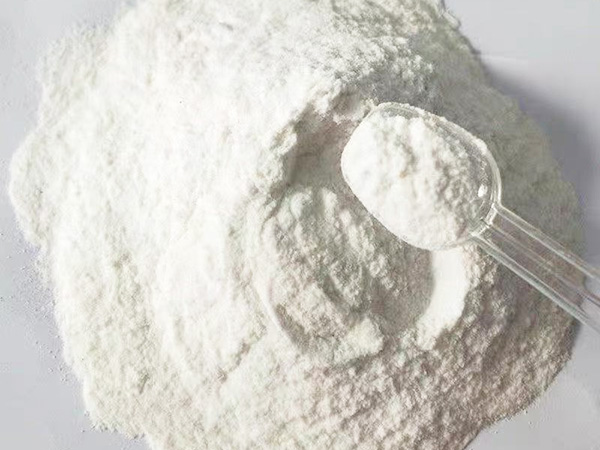
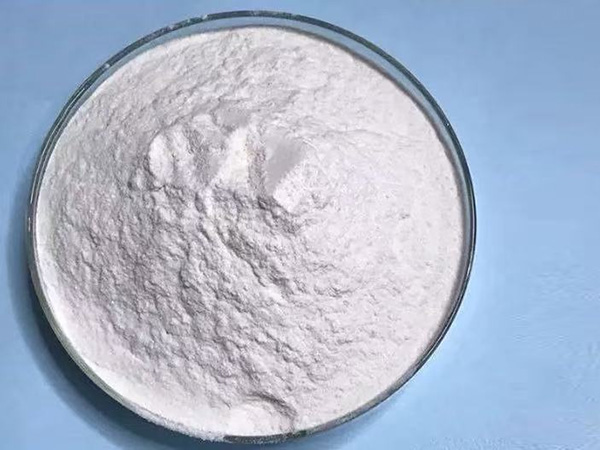
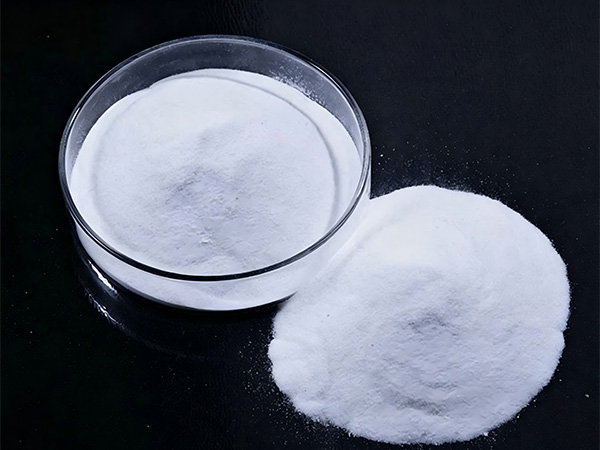
Xanthan gum is a natural polysaccharide produced by fermenting sugars with Xanthomonas campestris, a specific strain of bacteria. Following the fermentation process, the resulting substance is purified, dried, and ground into a fine powder. Food-grade xanthan gum adheres to strict safety and quality criteria, making it suitable for use in a diverse range of food and beverage products. It is highly valued for its ability to act as a thickener, stabilizer, emulsifier, and suspending agent.
Key Properties of Xanthan Gum
1. Exceptional Thickening Capacity
Xanthan gum is highly effective even when used in small concentrations. It can dramatically increase the viscosity of liquids, making it an ideal choice for sauces, dressings, and soups.
2. Superior Stability
One of its most remarkable features is its stability under extreme conditions, including:
A wide temperature range (suitable for both hot and cold processing)
Broad pH tolerance (works well in both acidic and alkaline environments)
Resistance to enzymatic breakdown
This stability ensures consistent performance throughout the processing and storage phases.
3. Shear-Thinning Characteristics
Xanthan gum demonstrates shear-thinning behavior, meaning it reduces in viscosity when stirred or shaken and reverts to its original thickness when left undisturbed. This makes it perfect for products like salad dressings and sauces, which need to pour easily but stay thick when placed on a plate.
4. Strong Suspension Ability
It helps keep solid particles suspended in liquids, preventing ingredients from settling. This feature is particularly useful in beverages, sauces, and spice blends.
5. Compatibility with Other Ingredients
Xanthan gum pairs well with other hydrocolloids, such as guar gum and locust bean gum, enabling manufacturers to create tailored textures and functional properties for their products.
Applications in Modern Food Processing
1. Bakery Products
In gluten-free baking, xanthan gum serves as a gluten substitute, providing structure, elasticity, and an improved crumb texture in bread, cakes, and pastries.
2. Sauces and Dressings
It enhances viscosity and stability, preventing ingredient separation in products like ketchup, mayonnaise, and salad dressings.
3. Dairy and Dairy Alternatives
Xanthan gum improves the mouthfeel and consistency of yogurt, ice cream, and plant-based dairy alternatives, ensuring a smooth and creamy texture.
4. Beverages
Used in fruit juices, protein drinks, and flavored beverages, it helps maintain uniformity by suspending pulp and other particles.
5. Convenience and Processed Foods
In ready-to-eat meals and frozen foods, xanthan gum preserves texture and stability during freezing, thawing, and reheating processes.
Benefits of Using Food-Grade Xanthan Gum
1. Enhanced Product Quality
By improving texture, consistency, and appearance, xanthan gum contributes to a better overall consumer experience.
2. Cost-Effectiveness
Due to its high efficiency at low dosages, manufacturers can achieve the desired results without significantly raising production costs.
3. Extended Shelf Life
Its stabilizing properties help prevent separation and degradation, extending the shelf life of numerous food products.
4. Versatility
Xanthan gum can be used across a wide variety of food categories, making it a highly flexible ingredient for product development.
5. Consumer-Friendly Labeling
As a widely accepted food additive, xanthan gum is considered safe and is commonly used in clean-label and gluten-free formulations.
Conclusion
Food-grade xanthan gum has become an indispensable ingredient in modern food processing. Its unique combination of thickening, stabilizing, and suspending properties allows manufacturers to enhance product quality while maintaining efficiency and cost-effectiveness. As the demand for high-quality, convenient, and specialized food products continues to grow, xanthan gum will remain a key component in driving innovation and meeting consumer expectations.
References
GB/T 7714: Physicochemical Properties and Application of Food-Grade Xanthan Gum in Food Processing. Journal of Food Science and Technology
MLA:Application of Xanthan Gum in Dairy and Plant-Based Dairy Alternatives: A Review. Journal of Dairy Science
APA:Xanthan Gum as a Multifunctional Additive in Gluten-Free Bakery Products. Food Hydrocolloids