





Benefits of Using Cationic Polyacrylamide in Sludge Dewatering Processes
2026-05-02 11:54:56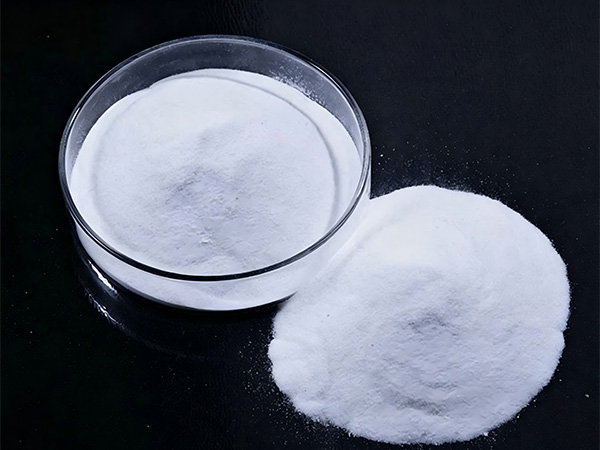
Sludge dewatering serves as a crucial link in wastewater treatment, directly impacting operational efficiency, disposal expenses, and compliance with environmental regulations. Among the most effective chemical agents employed in this process is cationic polyacrylamide (CPAM). Owing to its robust flocculation capacity and high efficiency in solid-liquid separation, CPAM has become the preferred choice for sludge treatment systems in both municipal and industrial settings. This article elaborates on the core advantages of using cationic polyacrylamide in sludge dewatering processes and the reasons behind its widespread adoption in modern wastewater treatment plants.
What Is Cationic Polyacrylamide in Sludge Treatment?
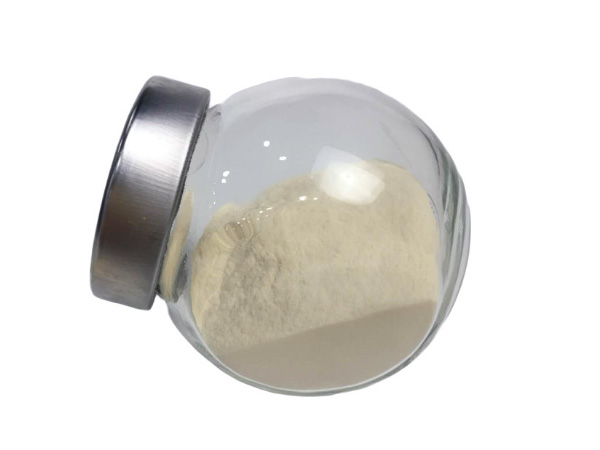
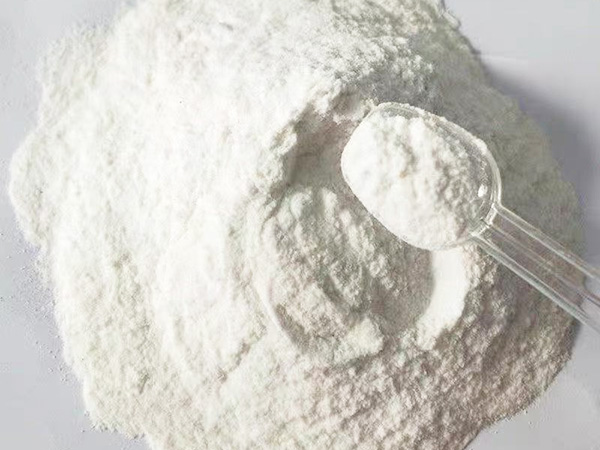
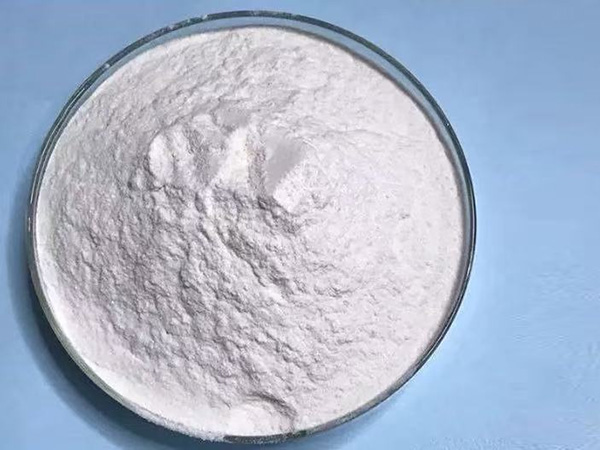
Cationic polyacrylamide (CPAM) is a water-soluble polymer equipped with positively charged functional groups. In sludge dewatering applications, it functions as both a flocculant and a conditioning agent, aiding in the aggregation of fine sludge particles into larger clusters (flocs) that can be separated from water more easily. Given that sludge usually contains negatively charged organic substances and colloidal particles, CPAM effectively neutralizes these negative charges, thereby boosting the efficiency of solid-liquid separation.
1. Improved Dewatering Efficiency
A primary advantage of cationic polyacrylamide is its ability to remarkably enhance dewatering performance. By forming strong, dense flocs, CPAM facilitates the easier release of water from sludge. This leads to the following outcomes:
Higher solid content in the dewatered sludge
Shorter filtration or centrifugation cycles
Reduced moisture content in the final sludge cake
Consequently, wastewater treatment plants can process larger quantities of sludge in a shorter period.
2. Reduced Sludge Volume and Disposal Costs
Sludge disposal is among the most costly aspects of wastewater treatment. By enhancing water removal efficiency, CPAM significantly reduces the volume of sludge. Key cost-saving benefits include:
Lower transportation costs due to reduced sludge weight
Decreased fees for landfill or incineration
Reduced requirements for sludge storage space
Even a minor improvement in dewatering efficiency can translate into considerable long-term savings for industrial facilities.
3. Enhanced Filtration and Separation Performance
Cationic polyacrylamide improves the structure of sludge flocs, making them more stable and porous. This enhances filtration performance in various dewatering equipment, such as:
Belt filter presses
Plate and frame filter presses
Centrifuges
Improved filtration minimizes blockages, ensures smoother operation, and maintains more consistent output quality.
4. Lower Chemical Consumption
In comparison to traditional inorganic coagulants like aluminum sulfate or ferric salts, CPAM demonstrates high efficiency even at low dosages. The benefits of this include:
Reduced chemical usage
Lower requirements for chemical handling and storage
Diminished risk of secondary pollution
This makes the entire treatment process more economical and environmentally friendly.
5. Faster Sludge Settling and Thickening
Sludge thickening is a crucial stage prior to dewatering. CPAM accelerates this process by promoting the rapid aggregation of suspended solids. This results in:
Faster sedimentation rates
Improved sludge concentration
More stable upstream treatment processes
Faster settling also enhances the efficiency of clarifiers and thickening tanks.
6. Wide Applicability Across Industries
Cationic polyacrylamide is suitable for a diverse range of sludge types, including:
Municipal wastewater sludge
Paper and pulp sludge
Textile wastewater sludge
Food processing waste sludge
Petrochemical and refinery sludge
Mining and mineral processing sludge
Its strong adaptability makes it a universal solution for numerous wastewater treatment scenarios.
7. Improved Equipment Performance and Longevity
By enhancing sludge structure and reducing moisture content, CPAM indirectly improves the performance of dewatering equipment. The benefits include:
Reduced wear and tear on mechanical components
Lower risk of equipment clogging and fouling
More stable and continuous operation
Extended service life of the equipment
This helps reduce the frequency of maintenance and operational downtime.
8. Environmental Benefits
The use of cationic polyacrylamide contributes to more sustainable wastewater treatment practices. Environmental advantages include:
Reduced environmental impact of sludge disposal
Improved water recovery efficiency
Less chemical pollution compared to traditional coagulants
Better compliance with environmental regulations
This supports industries in achieving their green production objectives.
Conclusion
Cationic polyacrylamide plays an indispensable role in modern sludge dewatering processes, thanks to its high efficiency, cost-effectiveness, and environmental benefits. It boosts dewatering speed, reduces sludge volume, lowers operational costs, and enhances overall treatment performance across a wide range of industries. As wastewater treatment standards continue to become more stringent, CPAM will remain a key chemical for establishing efficient, stable, and sustainable sludge management systems.
References
GB/T 7714:The Application of Cationic Polyacrylamide (CPAM) in Municipal Sludge Dewatering[J]. Environmental Engineering Technology
MLA:Cost-Saving Analysis of Cationic Polyacrylamide in Sludge Disposal[J]. Environmental Protection Economics
APA: Environmental Benefits of Cationic Polyacrylamide in Sludge Treatment[J]. Journal of Green Technology