





What is Carboxymethyl Cellulose (CMC)?
2026-04-13 10:23:15
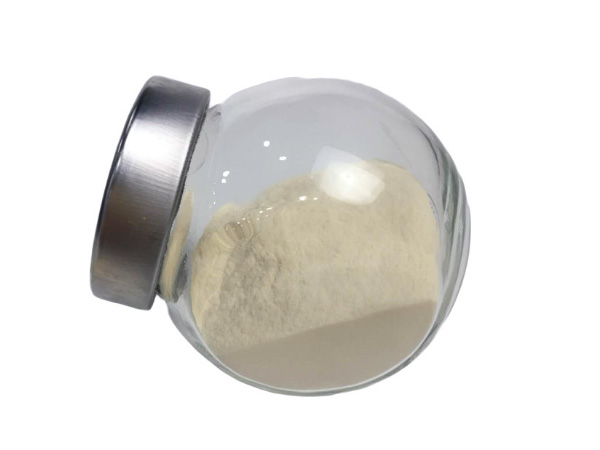
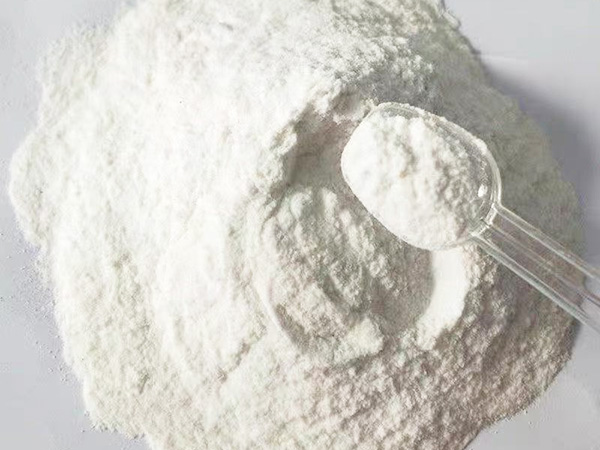
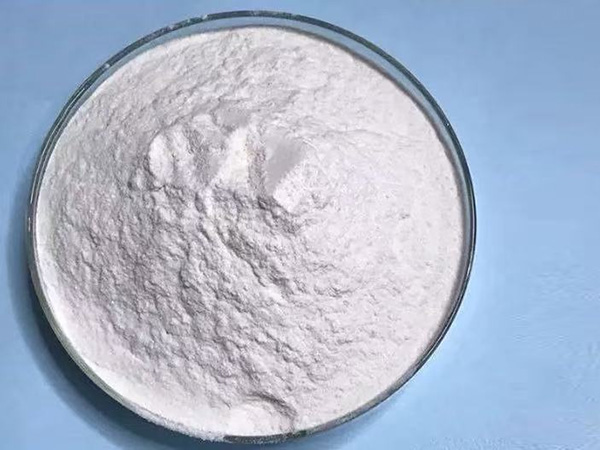
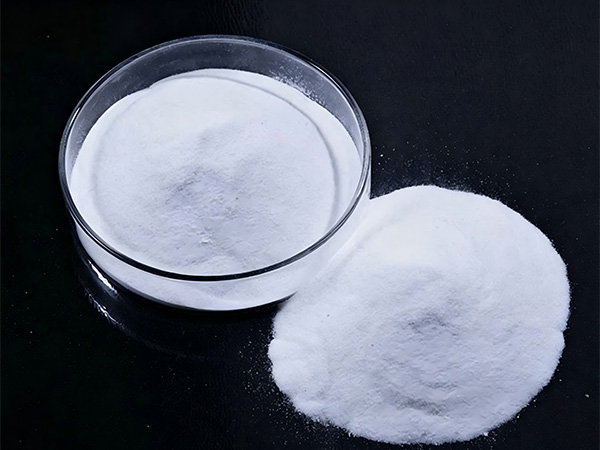
Carboxymethyl cellulose(CMC),also commonly referred to as cellulose gum and designated with the food additive code E466,is a water-soluble anionic polysaccharide derived from cellulose.It is synthesized through the alkali-catalyzed reaction of cellulose with chloroacetic acid,which introduces carboxymethyl groups(-CH₂-COOH)onto the cellulose backbone.In its most prevalent form,it exists as the sodium salt,sodium carboxymethyl cellulose.
Unlike its parent substance,natural cellulose,CMC is highly soluble in water,enabling it to form viscous colloidal solutions.Its functional properties,such as thickening,stabilizing,suspending,and emulsifying capabilities,are primarily governed by its degree of substitution(DS)—the number of carboxymethyl groups attached to the cellulose chain—and its molecular weight.Widally recognized for its non-toxicity and hypoallergenic nature,CMC is a versatile hydrocolloid,finding extensive application across the food,pharmaceutical,cosmetic,and industrial sectors.
GB/T 7714
Hollabaugh C B,Burt L H,Walsh A P.Carboxymethylcellulose.Uses and Applications[J].Industrial&Engineering Chemistry,1945,37(10):943-947.
MLA
Hollabaugh,C.B.,et al."Carboxymethylcellulose.Uses and Applications."Industrial&Engineering Chemistry,vol.37,no.10,1945,pp.943-947.
APA
Hollabaugh,C.B.,Burt,L.H.,&Walsh,A.P.(1945).Carboxymethylcellulose.Uses and applications.Industrial&Engineering Chemistry,37(10),943-947.